About Thoughts in Mind
Research-backed enrichment for older adults
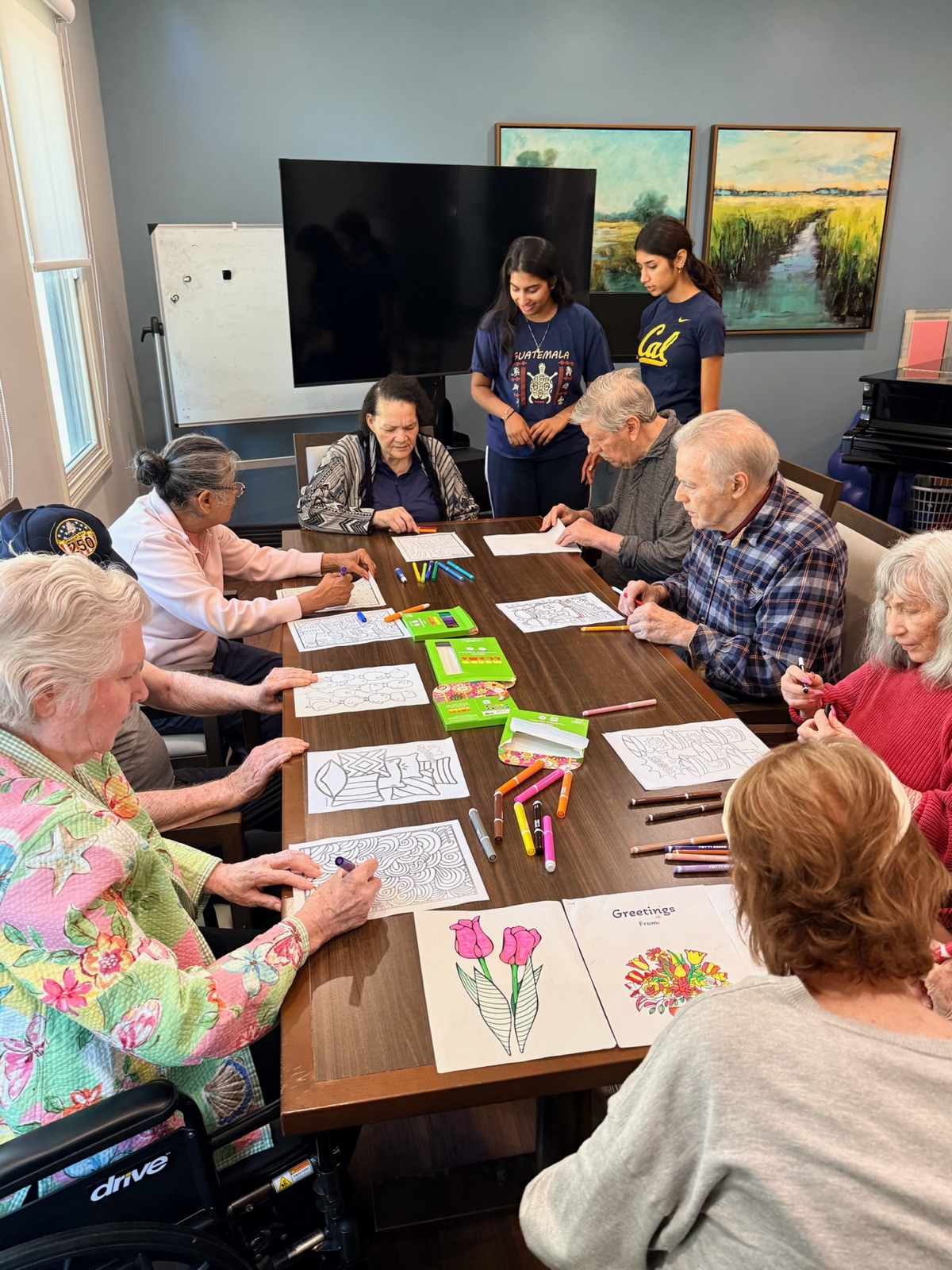
We deliver workshops incorporating CST-informed activities to seniors in assisted living and nursing homes. Here is what drives us, who we are, and how we prepare.
Mission
Protect cognitive health. Reduce isolation. Strengthen memory.
Thoughts in Mind delivers research-backed workshops incorporating CST-informed activities to seniors in assisted living and nursing homes. Our mission is to protect cognitive health, reduce isolation, and strengthen the mental sharpness and memory of older adults through engaging activities.
Not therapy or treatment
These workshops are evidence-based cognitive stimulation designed for prevention and enrichment. We work to keep brains active, support mental health, and build community.
Cognitive Stimulation Therapy (CST) is a structured, group-based program of themed activities developed for people living with mild to moderate dementia. Our workshops draw on its principles: consistent structure, multi-sensory activities, an emphasis on opinions over facts, and a warm, person-centered group setting.
Our team
Workshop facilitators
Every facilitator is trained before stepping into a room with residents. Here is who we are and how we prepare.

Noor Dharni
Senior at UC Berkeley, pursuing a B.A. in Neuroscience and Public Health.
- Certified Nursing Assistant, California Department of Public Health (verify license)

Sehej Dharni
Senior at Dublin High School.
- Certified: Introduction to Caregiving
- Certified: Introduction to Dementia Care and Management

Yashita Vijay
Senior at Dublin High School.
- Certified: Introduction to Caregiving
- Certified: Introduction to Dementia Care and Management
Facilitator training
Before we work with residents
Our facilitators are trained using established, publicly available resources designed for caregivers and volunteers working with individuals experiencing memory loss.
Introduction to Caregiving (Alison)
The fundamentals of caregiving, effective communication, person-centered care, and supporting older adults.
Dementia Care and Management (Alison)
Dementia types, communication strategies, behavioral support, and best practices for compassionate dementia care.
What that training means in the room
This training ensures every facilitator understands not just the activities themselves, but the reasoning behind them:
- How to pace a session so no one is rushed or left waiting
- How to redirect gently when a conversation drifts or a resident becomes unsettled
- How to encourage participation without pressure
- How to recognize signs of fatigue or distress and respond with care
Want the full curriculum?
Email us and we will send a complete breakdown of every workshop, the domains each one targets, and how a session runs from start to finish.